Commercial Plumbing in Broomfield: Repairs, Grease Lines and Urgent Calls for Restaurants, Landlords and Property Managers
A kitchen drain backs up in the middle of lunch service. A tenant calls about a ceiling leak, and the building’s owner is two states away. These calls look different from a homeowner’s, because someone else is affected: customers, tenants, an inspector. This page is written for owners, landlords and managers who need to know who does what, what to have ready and when to call. Our dispatch line routes commercial calls to plumbers who handle them.
Call about a business propertyBusiness plumbing call
(303) 567-7524Say whether it is a restaurant, a rental or an office, and the dispatcher routes it to a plumber who takes commercial work.
- Give the property address and your role.
- Say if tenants or customers are affected.
- Know where the building’s main shutoff is.
Repair, tenant improvement or a maintenance plan? Sorting the call
A commercial plumbing call is one of three kinds, and the right first step differs for each.
| Situation | What it is | First step |
|---|---|---|
| Water, sewage or gas where it should not be | A repair that cannot wait | Close the shutoff and call the dispatch line |
| A tenant moving in or out, or a remodel | Tenant improvement work | Share the plans so the plumber can scope rough-in and permits |
| The same fixture or drain fails every few months | A recurring fault | Ask for a camera inspection and a written finding |
| A building with many fixtures and an aging system | A maintenance candidate | Ask about scheduled maintenance: drains, valves and water heaters |
| A health inspection or a lender’s property review | Compliance and documentation | Ask for a written report of what was checked |
A maintenance contract, with a plumber who knows the building, turns emergencies into scheduled visits. Ask what is included, how often the visits happen and how fast the plumber answers when something fails.
Restaurant drains and grease: who handles what
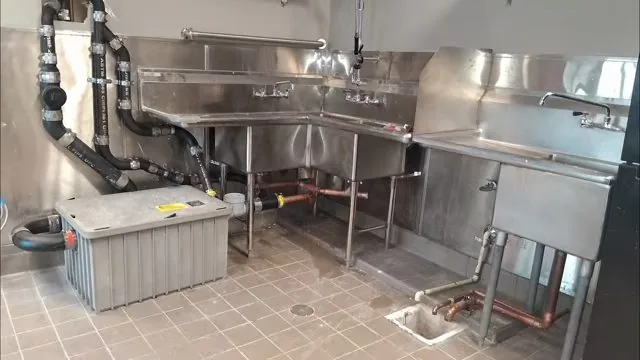
A commercial kitchen sends fats, oils and grease down its drains, and those cool and build up. Grease traps and interceptors catch some, and drain lines still need regular cleaning.
- The kitchen owner. Keeps fats and oils out of drains, empties and cleans traps on schedule and keeps service records.
- The plumber. Clears and jets grease-laden drain lines, repairs broken lines and inspects with a camera.
- The city. Broomfield’s Industrial Pretreatment Program manages oil and grease discharges and the haulers who collect them. The page we read states no interceptor rule, so ask the city’s program, not only a plumber.
- The public health office. Broomfield Public Health and Environment licenses and inspects over 325 retail food establishments.
Kitchen exhaust drains and hood lines are food business work, and residents’ cooking oil recycling does not apply to restaurants. For a stubborn grease clog, drain cleaning methods explains jetting and camera work.
Running a restaurant, shop or building?
Tell the dispatcher the type of property and what is happening. They send the call to a plumber who takes commercial work.
Landlords and property managers: who holds the account and who may do the work
Roughly 63 percent of Broomfield housing is single-family detached, 16 percent is apartments or condominiums in buildings of 5 to 49 units and 12 percent is in buildings of 50 or more. A lot of the city’s plumbing is therefore in rented or shared buildings, where the call comes from someone who does not own the pipe.
- Decide who may order a plumber: the owner, the manager or the tenant. Many leases say.
- Give the dispatcher the manager’s name and a contact who can approve work.
- Know the building’s shutoffs: the main, any riser valves and unit shutoffs.
- Keep unit access arrangements, so the plumber can reach a tenant’s fixtures.
- State guidance on water heaters says an owner’s own residence can be an exception to the licensing rule; it does not apply if the home is a rental, so hire a licensed plumber.
Permits follow the building, not the tenant. Ask who pulls them, and check the plumber’s licensing, state and city, before work starts.
Urgent calls for a business: what to have ready
For a leak, a backup or a gas smell in a business, the same first steps apply as at home. For gas, leave the building and call 911, then Xcel Energy, before anything else.
- The address, the unit or suite, and how to get in after hours.
- The type of business and whether customers or tenants are inside.
- Where the water came from and whether it has been stopped.
- Who can authorize work and payment.
Water heaters, leak detection and building-wide repairs
Commercial properties use larger or multiple water heaters, and a failure can shut a business. Every water heater in Broomfield needs a permit, which applies to commercial replacements too. Diagnosis works as it does at home, set out on the tank heater repair page.
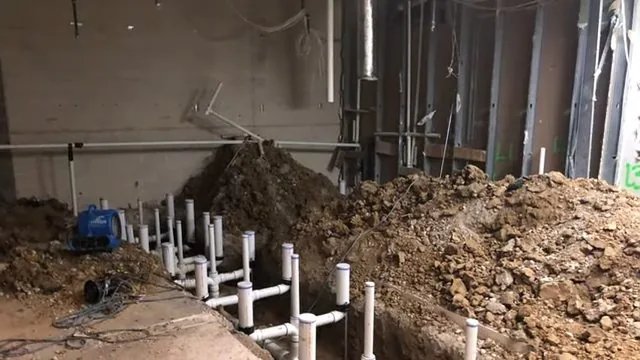
Leak detection in a commercial building follows the same methods as at home, covered on the leak detection page, and the work extends to pipe, slab and sewer repair in light industrial, multifamily and cold storage buildings. Industrial sewer work can involve permits and locates beyond a house; ask for a written scope.
Commercial plumbing questions
Do you handle commercial properties as well as homes?
Calls for restaurants, offices, retail units and rental buildings are routed to plumbers who take commercial work. Describe the property when you call so the dispatcher sends it to the right one.
Who is responsible for a grease trap and kitchen drain problem, the owner or the plumber?
The kitchen owner is responsible for keeping fats and oils out and for trap maintenance. The plumber clears the line and repairs it. The city’s Industrial Pretreatment Program covers grease discharge, so ask it about any requirement.
I manage a rental. Who can order plumbing work?
Whoever your lease and management agreement allow. Tell the dispatcher who is authorized and who can approve work, so the plumber is not turned away at the door.
What should I have ready for an emergency call at a business?
The address and suite, the type of business, whether people are inside, where the water or sewage is coming from and who can authorize work. For a gas smell, get out and dial 911 before anything else.
A business plumbing problem right now?
Tell the dispatcher what is affected and who is on site. They route the call to a plumber who handles commercial properties.
Call (303) 567-7524