
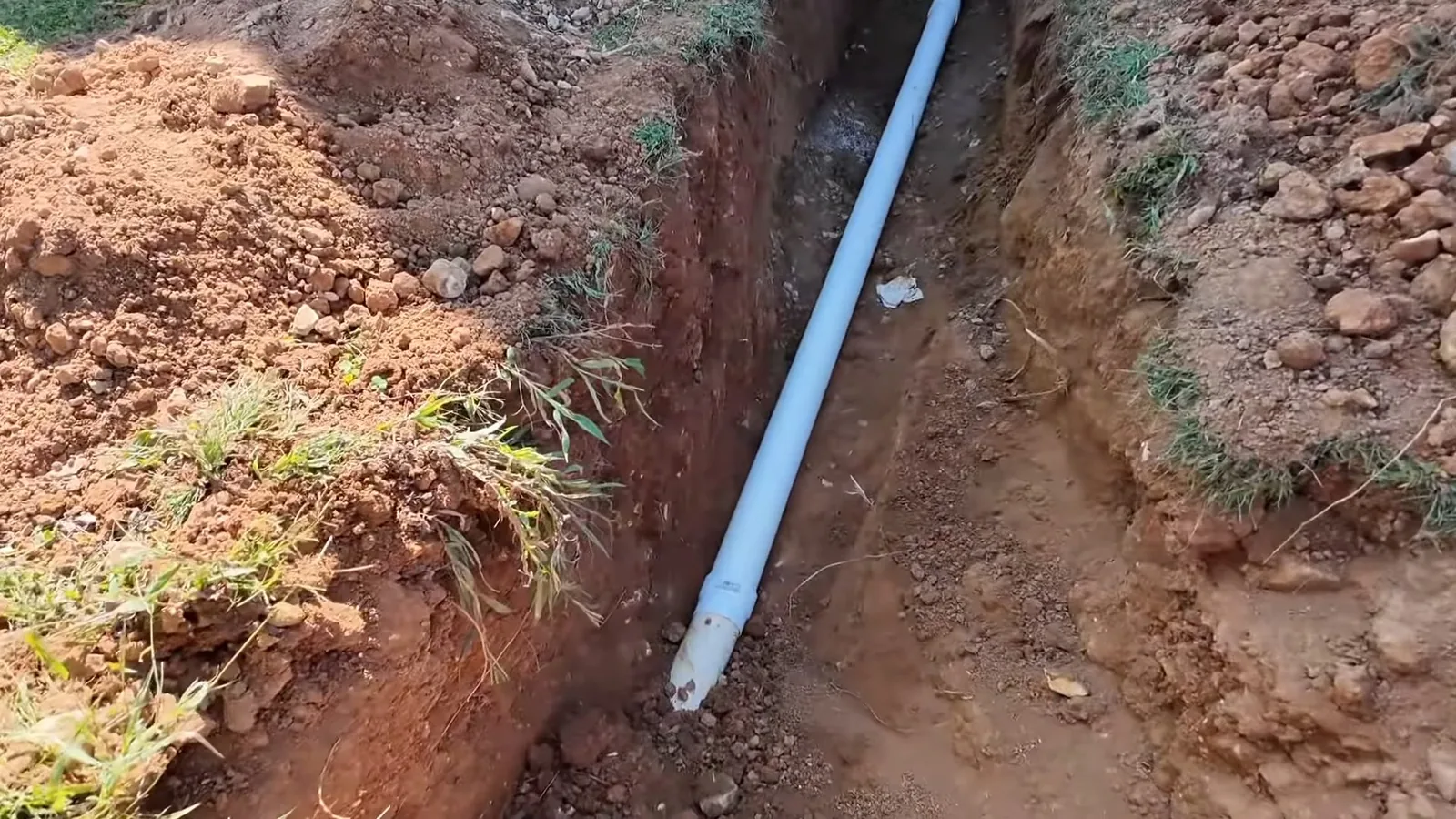
Water Line Repair and Replacement in Broomfield, CO: Before the Meter, After the Meter and Pressure Problems
The water line is the pipe that brings city water to your house. It has two owners, split at the meter, so the first question on any leak or pressure problem is which side the trouble is on. This page covers the owner side: finding a leak in the yard, deciding between repairing a section and replacing the line, and sorting out pressure faults. Call our dispatch line when you know, or when you do not.
Ask about a water line problemWater line trouble?
(303) 567-7524Tell the dispatcher what you see at the meter or in the yard, and a plumber who works on service lines takes it.
- Locate the meter box and note any wet ground.
- Check whether pressure is low or high.
- Know where your main valve is.
Before the meter or after it? Who fixes what
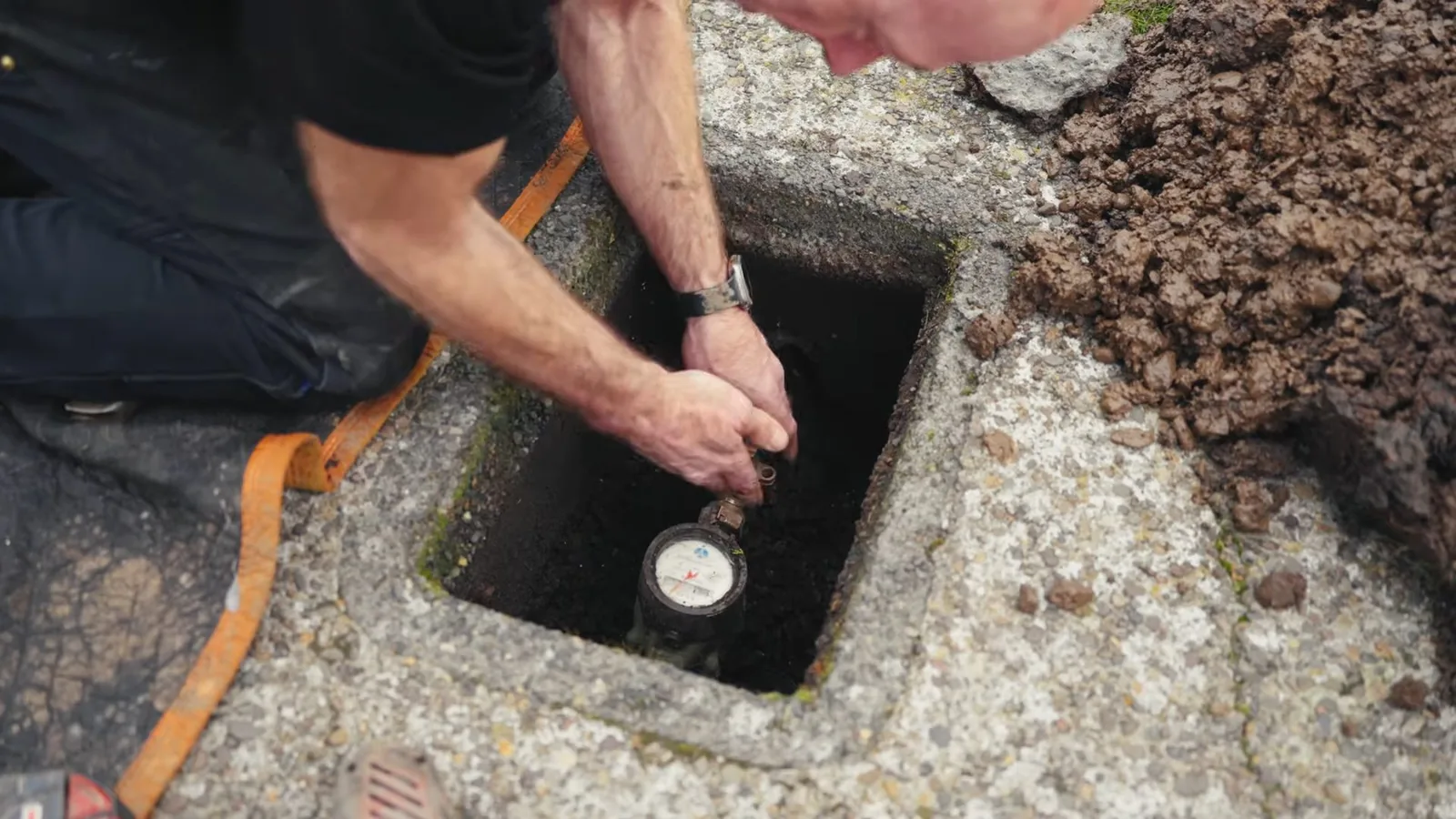
The city’s part of the line begins at the main and ends at the meter box or curb stop. From the meter into the home the pipe belongs to the owner. A leak on the city side is the city’s to repair, and one on the owner side is a plumber’s job.
| Where the problem is | Who is responsible | What to do |
|---|---|---|
| Water surfacing at or ahead of the meter box | The city | Call Broomfield Utility Services and describe the spot |
| Wet ground between the meter and the house | The owner | Call a plumber; photograph the area first |
| A leak inside the meter box fittings | Depends on which fitting; the city decides | Do not tamper with the meter; call and describe it |
| Low pressure throughout the house | Either side, or the house plumbing | Check with a neighbor, then the regulator and valves |
| A main shutoff valve that will not close | The owner | Replace the valve before an emergency |
| A leak in the yard line to a sprinkler system | The owner; irrigation lines are private | A private locator and an irrigation or plumbing contractor |
The meter reading is the cleanest test. A dial that keeps turning after you shut the main means the loss sits ahead of the valve; if it stops, the fault is in your own piping.
Repair a section or replace the whole line?
A service line fails for a handful of reasons: age, corrosion, ground movement, tree roots and damage from digging. The reason decides the fix.
| Situation | Likely fix | Why |
|---|---|---|
| One leak in a sound line, with a clear location | Dig and repair that section | The rest of the pipe is in good condition |
| Repeated leaks along the same run | Replace the line | Each repair leaves a joint beside weakened pipe |
| Galvanized or very old pipe | Replace the line | Narrowing and corrosion will keep returning |
| A line under a driveway or patio | Consider replacing by trenchless methods where the pipe and soil suit | Digging up hard surfaces is disruptive |
| A line damaged by an earlier dig | Repair or replace depending on the damage | The break location may not be the only weak point |
Ask for water line leak detection first, so the break is located before the digging begins. A plumber who digs without locating the break may open a larger trench than needed.
Not sure which side of the meter the leak is on?
Give the dispatcher the address and what you see near the meter box. They will say which number to call and whether a plumber is needed.
Digging, locates and permits for a water line job
A site plan goes to the Building Division for water line repairs, so ask the plumber who prepares it. Before anyone digs, request a locate through Colorado 811. It marks public utilities only, and the state pages say to allow three business days.
Private lines such as sprinkler lines are not marked, so a private locator is used for those. Ask the plumber who requests the locate, and check that the marks are in place before the trench is opened.
Ask the plumber for credentials before the trench opens: the state license and any city contractor license.
Pressure problems: a failing regulator, a closed valve or a leak
Water pressure that is too low or too high is often a house problem, not a city problem. The causes have a recognisable order.
- High pressure. Bangs in the pipes, a relief valve that drips and short-lived faucets suggest pressure above what fixtures are made for. The plumbing code sets about 80 psi as the usual ceiling, and a pressure gauge on a hose bib shows where you stand.
- A pressure regulator (PRV). A bell-shaped valve near the main that reduces street pressure. It wears out, so pressure creeps up or drops as it fails.
- Low pressure. Check a partly closed main valve, a clogged aerator or screen, a leak in the line and work on the city main.
- Pressure testing. A plumber can pressure test the line with the fixtures closed to see whether it holds.
Where the main shutoff is a gate valve that corrodes or sticks, replace it with a quarter-turn ball valve so you can stop the water in an emergency. A leak inside the house is covered by tracing leaks in walls and floors.
A new line: water line installation for an addition or outbuilding
A new water line installation, to a garage, a studio or an addition, follows the same rules as a repair: locate utilities first, file the site plan, dig below frost depth and pressure test before backfilling. Ask for the pipe material, the trench route and the depth in writing.
Galvanized or lead: the scratch test and what to ask
On the city side the question is largely settled, since Broomfield reports no lead service lines. The city has also published a scratch-test guide for the owner-side pipe where it enters your home. A magnet and a gentle scratch show whether a pipe is steel, copper or something softer. Take a photo and ask the plumber to confirm the material before work begins.
Galvanized steel narrows and rusts inside, which cuts flow, so it is replaced rather than repaired.
Water line questions
What does a pressure regulator (PRV) do, and when should it be replaced?
It reduces incoming pressure to a level your fixtures can take. Replace it when pressure keeps rising, when water hammer starts or when the valve leaks. A gauge on a hose bib is a quick check before the plumber arrives.
I have a leak in the yard or at the meter box. What now?
Look at where the water appears. At or before the meter, call Broomfield Utility Services. After it, the line is yours. Take photos, close your own main valve if you can and call a plumber who can locate the leak.
Wet ground near the meter or weak water pressure?
Describe the spot and the symptom. The dispatcher sorts the city side from the owner side before sending anyone.
Call (303) 567-7524