
Emergency Water Damage Restoration in Broomfield: Stop the Source, Dry It Fast, Then Decide What Stays
Water damage is a race against time. Materials that stay wet start to break down quickly, and mold can follow. The first hour is about stopping the source and staying safe; the next two days are about getting the water out and the structure dry. Call the water damage line, and have the address and a plain description of what got wet ready.
Call the water damage lineWater damage line
(720) 715-9391Describe where the water came from and which rooms are wet. The team that takes the call explains what happens next.
- Stop the source and shut the main valve.
- Stay out of rooms with water near outlets.
- Photograph everything before it is moved.
The first hour: stop the source and keep everyone safe
What you do before anyone arrives limits the damage. These steps come in order, and the safety ones come first.
- Stop the water. Close the main shutoff, or the fixture valve if the leak is local. A burst pipe is repaired separately; see emergency pipe repair.
- Check for electrical danger. If water has reached outlets, appliances or the panel, stay out and turn power off only if you can do it safely from a dry spot.
- Do not use a household vacuum on standing water. Use only equipment rated for wet use.
- Lift what you can. Raise furniture legs onto blocks, pull rugs and move electronics and papers to a dry room.
- Photograph and video. Record the water, the damage and any ruined items before they are moved.
- Call the water damage line. Report the source, the rooms and whether sewage is involved.
Water that has come from a sewer backup, a toilet overflow or an outdoor flood may carry bacteria. Keep children and pets out, wear gloves and boots, and do not try to clean it yourself.
What happens on a restoration job: extraction, drying and monitoring
A restoration team works in a set order. Knowing the sequence helps you check that nothing is skipped.
| Stage | What is done | What you should see |
|---|---|---|
| Assessment | Moisture meters and a thermal camera map where the water has gone, including behind walls and under floors | A written list of affected rooms and materials |
| Extraction | Pumps and wet vacuums remove standing water | Standing water gone within hours |
| Removal of what cannot be saved | Wet carpet pad, soaked drywall and insulation are cut out | Photos of removed items for your insurer |
| Drying | Air movers and dehumidifiers run until readings reach normal | Equipment running for days, with daily readings |
| Cleaning and treating | Surfaces are cleaned and, where appropriate, treated | Surfaces that look and smell clean |
| Final check | Moisture readings confirm the structure is dry | A record of the final numbers |
The EPA’s homeowner guidance says to dry water-damaged areas and items within 24 to 48 hours to prevent mold growth. That is a target, not a promise, and thick materials can take longer.
Water already in the walls or the floor?
Tell the team where the water entered and how long it has been there. The sooner drying starts, the more can be saved.
Drying equipment: air movers, dehumidifiers and why they run for days
Air movers push air across wet surfaces so water evaporates, and dehumidifiers pull that moisture out of the air. Together they dry in a few days what a fan and open windows would take weeks to do, if they ever fully did.
- Equipment is positioned from moisture readings, not guesswork, and moved as the readings change.
- Daily monitoring tells the team when a wall or floor has reached its dry goal.
- A rented fan and household dehumidifier can help a small spill, but a larger loss needs the readings.
- Do not turn off drying equipment early because the surface feels dry. Materials hold moisture inside.
Burst pipes, a flooded basement and storm or rain water
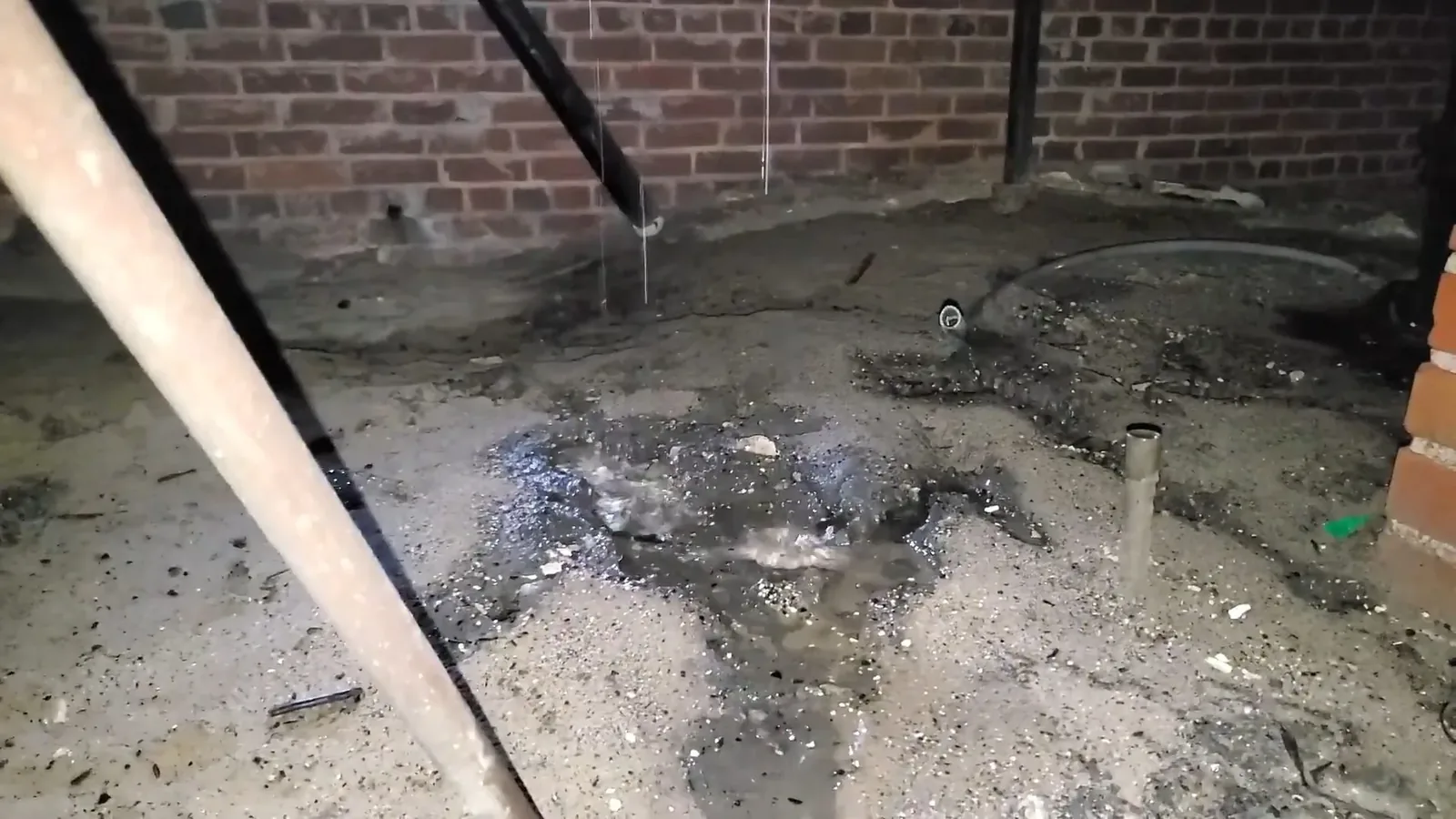
The cause shapes the response. A burst pipe, and the whole-house flooding mitigation that follows, floods a room quickly and the water is clean at first. A flooded basement or crawl space may combine groundwater, a failed pump and a sewer backup, and storm, river or rain flooding from outside carries soil and contaminants into the whole house.
Broomfield’s inspections of new homes look for perimeter drains and a sump pit whose discharge runs at least five feet clear of the foundation. That is a new-build rule; if your basement floods, ask whether the pump discharge reaches that far and whether the pit is working.
Finding the plumbing cause of a leak is covered in leak detection, and the fault in a drain or sewer is covered under sewer line repair. Basement waterproofing and exterior foundation drainage are other trades; the plumbing side, drains, the sump and leaks, is what we handle.
Sewage backup cleanup: who fixes the line and who cleans up
The property owner owns the sewer line from the city main into and throughout the home. Broomfield’s guidance is to call a plumber for a line problem, and Utility Services only when the main in the street is the issue.
Cleanup and repair are two jobs. A plumber clears or repairs the line so sewage stops coming back. A restoration team then removes the affected materials and disinfects. Doing the cleanup before the line is clear wastes the work.
Call the water damage line for the cleanup; the plumbing side is on the sewer page linked above.
Mold: testing, remediation and removal, and what we do not claim
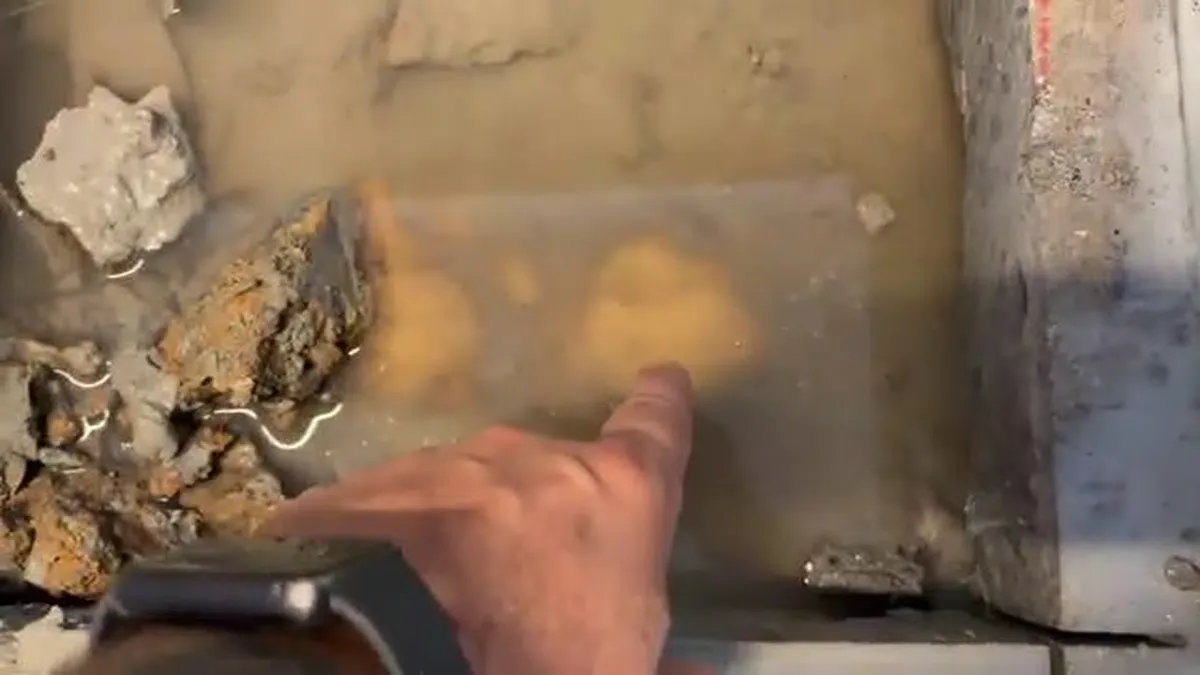
Mold grows where materials stay wet. The EPA’s homeowner guide treats small patches of roughly ten square feet or less as something many owners can clean themselves, and larger or hidden growth as a job for professionals. Drying fast is the main defense.
- Testing. A test or inspection looks for moisture and mold in hidden places. It can help decide what to remove, but it removes nothing.
- Remediation and removal. Containment, cutting out affected material and cleaning. Porous items that are moldy are usually discarded.
- Source repair. Mold returns if the leak or humidity is not fixed.
This page makes no promise about the absence of mold or the safety of a space. We did not find a primary Colorado source on who must hold a license for mold work, so we say nothing about that either. Ask any company for its credentials and its insurance before it starts.
Plumbing leak, or water from the roof, a ceiling or the air conditioner?
Not every wet ceiling is a plumbing leak. The cause decides who repairs it, and a restoration team can dry the damage whatever the source.
| What you see | Likely source | Who repairs the cause |
|---|---|---|
| A stain that grows after a shower upstairs | A drain, valve or supply line | A plumber |
| A stain that appears after rain or snow melt | The roof, flashing or a window | A roofer |
| Dripping from a vent or closet ceiling in summer | An air conditioner drain line or coil | An HVAC technician |
| Wet soil or a soft patch by the foundation | An irrigation line or a water service leak | A plumber or an irrigation contractor |
| Water through a basement wall after heavy rain | Groundwater and drainage | A drainage or waterproofing specialist |
Roof repair and air conditioner repair are not services we offer. Drying and cleanup are the same in each case.
Floors, carpet and insurance: what to document
Flooring is where the cost of water damage often lands. Carpet and pad can sometimes be dried in place if the water was clean and the response was quick; hardwood may cup or crack, and laminate swells at the seams.
- Photograph every wet room and each item before it is moved, with the date.
- Keep a list of damaged belongings, with age and approximate value.
- Keep the plumber’s written finding of the source, and the restoration team’s moisture readings, as your loss documentation.
- Do not throw out wet items an adjuster has not seen unless they are a health hazard; photograph them first.
- Read your policy wording for sudden versus gradual water loss, and ask your agent about water damage insurance claims assistance before work starts.
Condominium, apartment and commercial properties add a layer: who owns the pipe, who owns the finishes and who must be told. Landlords and managers can read more on plumbing for rental and business buildings.
Damage assessment, water categories and major loss inspection
Restorers classify water by how contaminated it is, because that decides what can be saved. Clean water from a supply line is the least hazardous. Gray water, from a washer or dishwasher, carries some contamination. Black water, from sewage or flood, is grossly contaminated, and porous materials it touches are usually removed.
A major loss inspection maps the full extent of the damage and records it for a claim. Water damage often appears near walls first, and a thermal camera and moisture meter find wet material that looks dry. Spotting an unattended or vacant home’s water loss early limits how far it spreads. If the cause was a leaking water heater, tank repair or replacement is the next step, and if the line from the meter failed, service line repair applies. A slab that leaked first needs leak location under concrete, and a blocked line that flooded a floor needs a cleared drain.
Situations we are often asked about
These are the specific cases that come up, with what usually happens in each.
| Situation | What usually happens |
|---|---|
| A closet water leak with mold from an AC unit | The condensate drain is blocked. The drain line is cleared by an HVAC technician; carpet is dried and moldy material removed. |
| A flooded closet carpet and pad from a neighbor’s sprinkler or unit | Water is extracted, the pad is usually removed and the carpet dried or replaced; ask the neighbor’s insurer about responsibility. |
| Hardwood floor cupping from an HVAC condensate line leak, or hardwood floor drying after a washer valve break | Moisture is drawn out slowly with drying mats; cupped boards may flatten once dry or may need replacing. |
| Major water loss assessment at a vacant home | A full inspection and photo record is made for the insurer, because no one was present when it happened. |
| Mold assessment for a condo association | An inspection finds the moisture source and the extent before any removal; the association’s rules decide who authorizes it. |
| A mold inspection and salvageability question | Moisture readings and visible growth decide whether carpet, wood or drywall is kept or discarded. |
| Suspected mold under basement stairs with an odor | The wet source is found first, then the area is opened and checked. |
| Crawl space flooding from broken irrigation backflow | The irrigation line is shut off and repaired, then water is pumped out and the space dried. |
| Emergency water extraction after a bathroom leak or a collapsed ceiling | Standing water is removed, fallen material cleared and the space dried. |
| Mold cleanup after a leak under a bathroom sink | The leak is fixed, the cabinet base and any wet drywall removed and cleaned. |
Fire, smoke and odor damage
Fire, smoke and odor restoration is a separate specialty from water work. This page covers water damage; when a call involves smoke or fire, the team that takes it says plainly whether that part can be handled or not.
Water damage questions
What should I do in the first hour after a pipe bursts?
Close the main shutoff, let the lowest tap run until the pipe empties and stay clear of anything electrical that is wet. Photograph the damage and call. The pipe repair and the drying are separate jobs.
How long does drying take after water damage?
Many jobs need several days of equipment running, with daily readings to show when each material is dry. The EPA recommends starting within 24 to 48 hours to prevent mold, and thick floors or walls take longer.
Do I need mold testing after a leak?
Not always. If the leak was found and dried within a couple of days, mold may not have formed. Testing makes sense when there is a musty smell, visible growth or a wet area that went untreated for longer.
Is a sewage backup a plumbing job or a cleanup job?
Both, in that order. A plumber must clear or repair the line first, then a restoration team removes the affected materials and disinfects. Call the water damage line for the cleanup.
Water in the house right now?
Shut off the source if you can, then call the water damage line. Tell the team how much water there is and which rooms it has reached.
Call (720) 715-9391