
Drain Cleaning Service in Broomfield: Slow Drains, Clogs and Mainline Backups
The first question about any clog is how far it reaches. One slow sink points to a short branch, while gurgling toilets and a backed-up floor drain point to the main line. Deciding which one you have tells you whether a quick clearing will do or whether a camera should look first. Call our dispatch line and describe what drains badly.
Book the drain clearingCall about a clogged drain
(303) 567-7524Tell the dispatcher which drains are slow. The line is open 24 hours, and a plumber who clears them takes your address.
- Tell the dispatcher which fixtures are slow.
- Stop running water into the drain.
- Skip chemical cleaners before the visit.
One fixture or the whole house? Reading where the clog sits
Water takes the path of least resistance, so the pattern of what backs up shows where the blockage is. Run through this table before you decide how big the problem is.
| What happens | Where the blockage probably is | What it usually needs |
|---|---|---|
| One sink or tub drains slowly; the rest are fine | The trap or a short branch serving that fixture | A hand tool or small cable at that fixture |
| Two fixtures on the same floor back up together | A shared branch line | Cabling the branch, sometimes from a cleanout |
| Toilets gurgle when a sink or washer drains | Air is being pushed through a partial blockage in a larger line | A line inspection, not just a plunger |
| Water rises in a floor drain or lowest tub | The main line to the sewer, because the lowest drain gives way first | Mainline cleaning, often with a camera |
| The same drain clogs again within weeks | A rough spot, a belly in the pipe, roots or grease build-up | A camera inspection and likely jetting |
| A bad odor but normal flow | A dry trap, a vent problem or debris trapped on the pipe wall | Running water in the fixture; persistent drain odors despite cleaning mean a plumber should look |
| Rust flakes or repeated clogs in an old iron drain | Cast iron corrodes inside and roughens the wall; cast iron drain repair may mean replacing a section | A camera inspection to see how much of the line is scaled |
If more than one floor is affected, treat it as a main line issue. It is the point where sewer line repair and replacement is the page that applies.
Snaking, jetting or a camera: choosing the right method
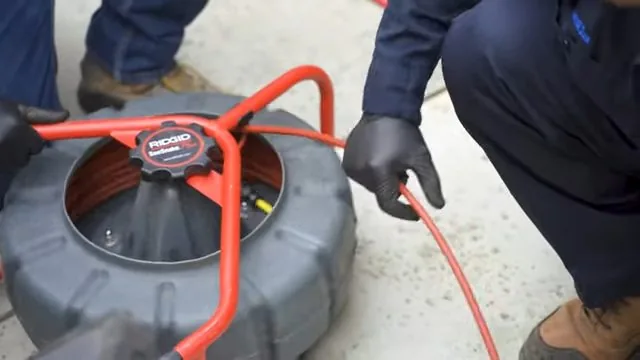
A cable (snake) bores through a clog, hydro jetting scours the pipe wall with high-pressure water, and a camera shows what is actually there. They solve different problems, which is why a plumber should explain the choice.
| Method | Strength | Limit |
|---|---|---|
| Rooter-style cabling | A rotating cable with cutting heads that clears roots and heavy blockages as it spins | Not for fragile pipe |
| Hand auger or small cable | Quick for a single fixture and a soft clog | Pushes through grease rather than removing it |
| Drum machine with larger cutters | Cuts roots and heavy blockages in branch and main lines | Can leave residue on the pipe wall |
| Hydro jetting (hydrojet cleaning) | Complete pipe wall cleaning, clearing grease and scale | Not suited to every pipe; a camera should confirm the pipe is sound first |
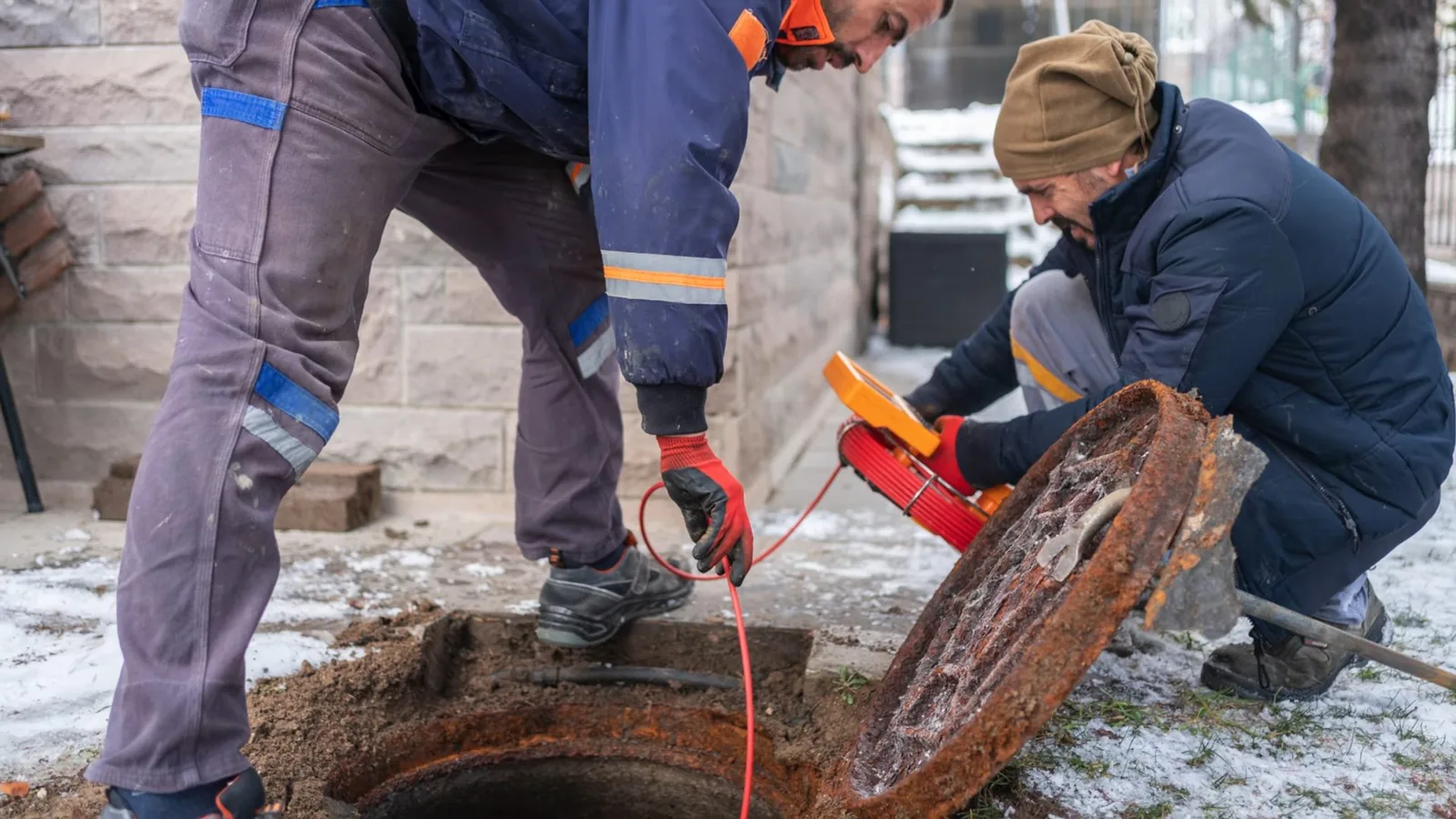
| Camera and video inspection | Shows breaks, offsets, roots and low spots, and the video can be kept | Finds the problem rather than clearing it |
| Enzyme or bacterial treatment | Slow maintenance for grease-prone lines | Does not clear an existing hard blockage |
Jetting makes sense instead of snaking when a clog keeps returning, when grease coats the line or when roots have grown in. A plumber should not jet a line that a camera has shown to be cracked or collapsed.
Not sure which tool your drain needs?
Say which fixtures are slow and whether it has happened before. For an emergency drain call, such as sewage rising or no drain working, a same day visit is offered when demand and conditions allow.
Kitchen sinks, tubs, toilets and floor drains: what usually causes each
Different fixtures clog for different reasons, and knowing the usual cause saves a second call.
Kitchen sink
Cooking fat cools in the pipe and catches food. The result is a slow drain that worsens over weeks, usually with an odor. Run hot water and degreasing soap only as a short-term help.
Bathtub and shower
Hair and soap form a mat just below the strainer. Pulling it out by hand often fixes the problem; a pipe that is still slow beyond the trap needs a cable.
Toilet
A toilet that clogs once is usually a paper or wipe problem. One that clogs repeatedly, or that gurgles and bubbles other drains, points to the line behind it rather than the bowl.
Floor drain and basement drain
A floor drain shares the lowest point in the system, so it is where main line trouble appears first. Water or odor there deserves attention even when upstairs fixtures look normal.
Main line backups, tree roots and the gas line check
Broomfield’s guidance puts the sewer service line, from the city main through the house, in the owner’s hands, and says to call a plumber for it. Only the main under the street is the city’s concern.
Before a cable goes into a blocked sewer, Xcel Energy asks callers, plumbing contractors included, to ring its round-the-clock gas line, 800-895-2999,, since a gas pipe is occasionally found where a sewer line should be.
Source: Xcel Energy Call Before You Clear and gas safety pages, read 2026-10-31.
A leaking drain is a different matter: drain leak detection and repair uses a camera or dye to find the break, which is where drain cleaning and leak detection overlap. Roots enter at joints and make blockages that return. A cable clears them for a while; a camera shows how far the damage goes, which decides whether the fix is cleaning, a repair or a replacement.
What to try first, and what to keep out of your drains
A few steps are safe before you call, and a few make things worse.
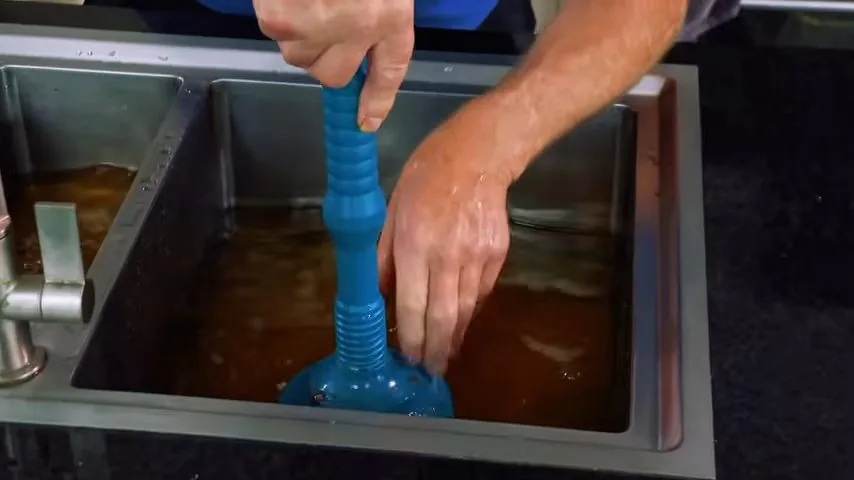
- Use a plunger on sinks and tubs; use a flange plunger on toilets.
- Remove and clean the trap under a sink if you are comfortable doing it, with a bucket underneath.
- Avoid chemical drain cleaners. They can splash back, damage older pipes and leave the plumber working through caustic water.
- Never flush wipes, even those marked flushable, and keep paper towels and feminine products out of toilets.
- Keep fats, oils and grease out of every drain. Broomfield residents can take cooking oil to the city’s recycling program, and restaurants follow a separate route.
Restaurants and other food businesses face grease rules of their own; the page for business properties covers kitchens and other food businesses.
Yard drains, storm drains and kitchen exhaust grease lines
A French drain or yard drain, and the storm drain at the curb, are separate from the pipes inside your home. They carry rain and groundwater, not wastewater, and they are cleaned differently. Describe the problem when you call and the dispatcher says whether it fits.
A kitchen exhaust drain cleaning job, where a hood or grease trap line is cleared, is food business work and is handled with commercial plumbing. Household kitchens rarely have that equipment.
Sump and ejector pump trouble that looks like a drain problem
A basement that smells, gurgles or floods a floor drain may have a pump issue rather than a clog. Some homes have a sump pit that collects groundwater and discharges it away from the foundation; others have an ejector pit that lifts wastewater from a below-grade bathroom.
New-construction inspections in Broomfield check that a sump discharge is piped at least five feet from the foundation, though that is a rule for new homes, not a retrofit requirement. We do not offer sump pump installation or remodeling as a service, but a plumber on a drain call can tell you whether the pit, the pump or the line is the cause.
Drain cleaning questions
How do I clear a clogged drain?
Try a plunger first, then clean the trap. If water still stands, the clog is past what home tools reach and a cable or a camera check is next. Skip chemical cleaners.
What should I do about a kitchen sink that is clogged?
Cooking fat is the usual cause. Plunge with the other side blocked, clean the trap, and run hot water afterwards. A sink that clogs again within weeks has grease further down the line.
What is mainline drain cleaning?
It is clearing the large line that carries every fixture’s wastewater toward the sewer. It is done through a cleanout or a roof vent, and a camera is often used to see the condition of the pipe first.
Why does my drain keep clogging?
A repeat clog usually means the cause is still in the pipe: grease on the walls, roots, a sag that holds water or a joint that has shifted. Clearing the symptom without finding the cause returns the blockage.
When is jetting needed instead of snaking?
When the pipe wall is coated, when roots keep growing back or when a cable only opens a small hole. The line should be checked by camera first so the jetting does not damage a cracked pipe.
Can you remodel or replace my sump pump?
Sump pump installation is not a service we list. If your basement drain problem might be a sump or ejector issue, the plumber on your drain call can tell you which part is failing.
A drain that will not clear?
Tell the dispatcher which fixtures are affected and how long it has been slow. That decides whether a branch cleaning or a line check is the right start.
Call (303) 567-7524