
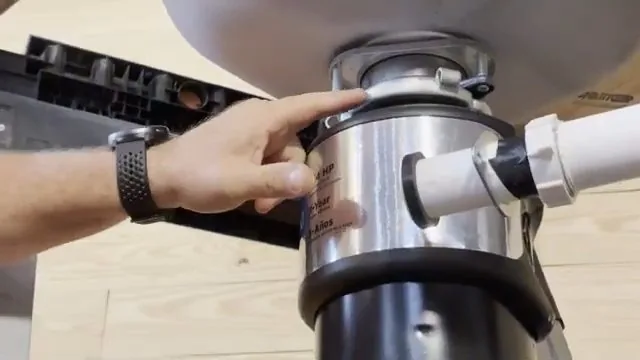
Garbage Disposal in Broomfield: Jammed, Humming or Leaking, and When It Is Time to Replace It
You flip the switch and hear a hum, or nothing, or water pools under the sink. Those three symptoms point to three different faults: a jam, a dead motor or a leak. Sorting out which one you have decides whether a ten minute reset fixes it or the unit needs replacing. The steps below are safe to try first; stop at any that involve reaching into the unit. Call our dispatch line if they do not work.
Book a disposal visitDisposal not working?
(303) 567-7524Say what the unit does when you switch it on, and a plumber who repairs disposals takes your address.
- Switch the unit off at the wall.
- Check for water under the sink.
- Note whether it hums, clicks or is silent.
Jammed, humming or dead? What each symptom means
The sound and the water tell you most of what you need. This table matches common symptoms to causes and a sensible first step.
| What you notice | Likely cause | First step |
|---|---|---|
| A hum when switched on, but the blades do not turn: jammed or stuck | A jammed flywheel, often from a bone, fruit pit or utensil | Power off, then turn the flywheel with the wrench slot underneath |
| Nothing at all, not even a hum | A tripped overload button or an unplugged cord | Press the red reset button on the bottom, then retry |
| A grinding or rattling noise | A foreign object or worn components | Switch off and look in with a flashlight; never use a hand |
| Water pooling under the unit | A leaking seal, flange, drain connection or the dishwasher hose | Dry it, run water and find the wettest point |
| Water backs up in the sink | A clog past the disposal, in the trap or drain | Do not keep running the unit; see the drain section below |
| A bad smell | Food residue in the chamber or splash guard | Grind ice and citrus peel; clean the guard |
Turn the disposal off at the wall switch or the breaker before you touch anything. Never put a hand or a tool other than a wooden spoon handle into the grinding chamber, because the unit can start without warning.
Freeing a jammed disposal and using the reset button
Most jams clear in a few minutes with two steps, and neither involves reaching into the chamber.
- Cut the power. Switch off at the wall and, if you can, unplug the unit under the sink.
- Use the hex wrench. Most units have a hex socket in the center of the bottom. Work the wrench back and forth until the flywheel turns smoothly.
- Remove what jammed it. With the power still off, look in with a flashlight and lift out the object with tongs.
- Press the reset. A red button on the bottom trips when the motor overheats. Press it firmly.
- Restore power and test with water running. If it hums again, stop and call.
A unit that trips its reset repeatedly has a motor or wiring problem. Continued resetting can overheat it, so stop and have it looked at.
Reset did not help, or water is on the floor?
Give the dispatcher the symptom and the age of the unit. A plumber can tell you whether a repair is worth doing.
A leaking garbage disposal: where the water is coming from
Dry the cabinet floor, then run water and watch. The position of the first drip is the diagnosis.
| Where it drips | What failed | Repair or replace |
|---|---|---|
| Top, at the sink flange | The mounting gasket or putty seal | Usually repairable by resetting the flange |
| Side, where the drain pipe attaches | A gasket or bolts at the discharge | Repairable |
| Side, where the dishwasher hose attaches | A loose clamp or a worn hose | Repairable |
| Bottom of the unit | The internal seal or the housing has failed | Replace the disposal |
| The reset button or a seam | A cracked housing | Replace the disposal |
Leaks at the bottom are a sign the unit has reached the end of its life. A repair there only postpones the replacement.
The dishwasher connection and a backed-up sink
A dishwasher drains through the disposal, so the two share a knockout plug and a drain hose. After a new disposal is installed, the plug in the dishwasher inlet must be knocked out, or the dishwasher will not drain. Forgetting that is the most common cause of a dishwasher that fills with water after a replacement.
If the sink backs up, the clog may sit in the trap or in the line, not in the unit. Running a disposal against a blocked drain only churns the water. For that case, our page on drain cleaning explains the clog patterns and tools.
What not to grind, and what Broomfield asks of residents
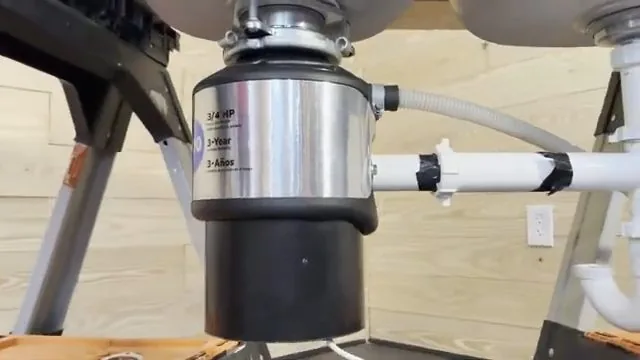
A disposal is a grinder, not a drain. Fibrous items, starch and fat cause most clogs.
- Keep fats, oils and grease out; they coat the pipe and cause backups. The city runs a used cooking oil program for residents, and it is the better place for it.
- Avoid coffee grounds, eggshells in quantity, pasta, rice and potato peels, which swell or pack into paste.
- Skip celery, corn husks and artichoke leaves, whose fibers wrap the blades.
- Never grind bones, glass, metal or non-food items.
- Run cold water before, during and for a few seconds after grinding.
Repair or replace, and what an installation involves
A disposal that is under about eight years old, jammed or tripping its reset is usually worth repairing. An older unit that leaks from the body, runs rough or has been repaired before is better replaced.
A replacement includes removing the old unit, cleaning the flange, mounting the new one, reconnecting the drain and dishwasher hose and the power, and testing. Match the horsepower to how you cook: a larger motor handles more and runs smoother. Check the plumber’s credentials, and ask who handles the electrical connection if a new outlet is needed. If you are also replacing the tap, kitchen faucet and fixture repair covers it. Cost depends on the unit and the access, and the FAQ below points to the factors.
Garbage disposal questions
How much does a garbage disposal repair or replacement cost?
It depends on the unit, the fault and the access under your sink. The cost page sets out the factors that change the quote, and the plumber gives the number once they have seen the unit.
Why is my garbage disposal leaking?
Leaks come from the sink flange, the drain or dishwasher connections, or the body of the unit. The place the first drip appears tells you which. A leak at the bottom means the unit has failed.
My garbage disposal is clogged or backed up. What should I do?
Switch it off, then check whether the sink drains at all. If water stays, the clog is likely in the trap or drain, not the blades. Use a plunger, and call if it does not clear.
Do I need a plumber for garbage disposal repair?
A jam or a reset is a task many owners handle with the power off. A leak, a dead motor or a replacement is better done by a plumber, because the water, drain and power connections all meet at the unit.
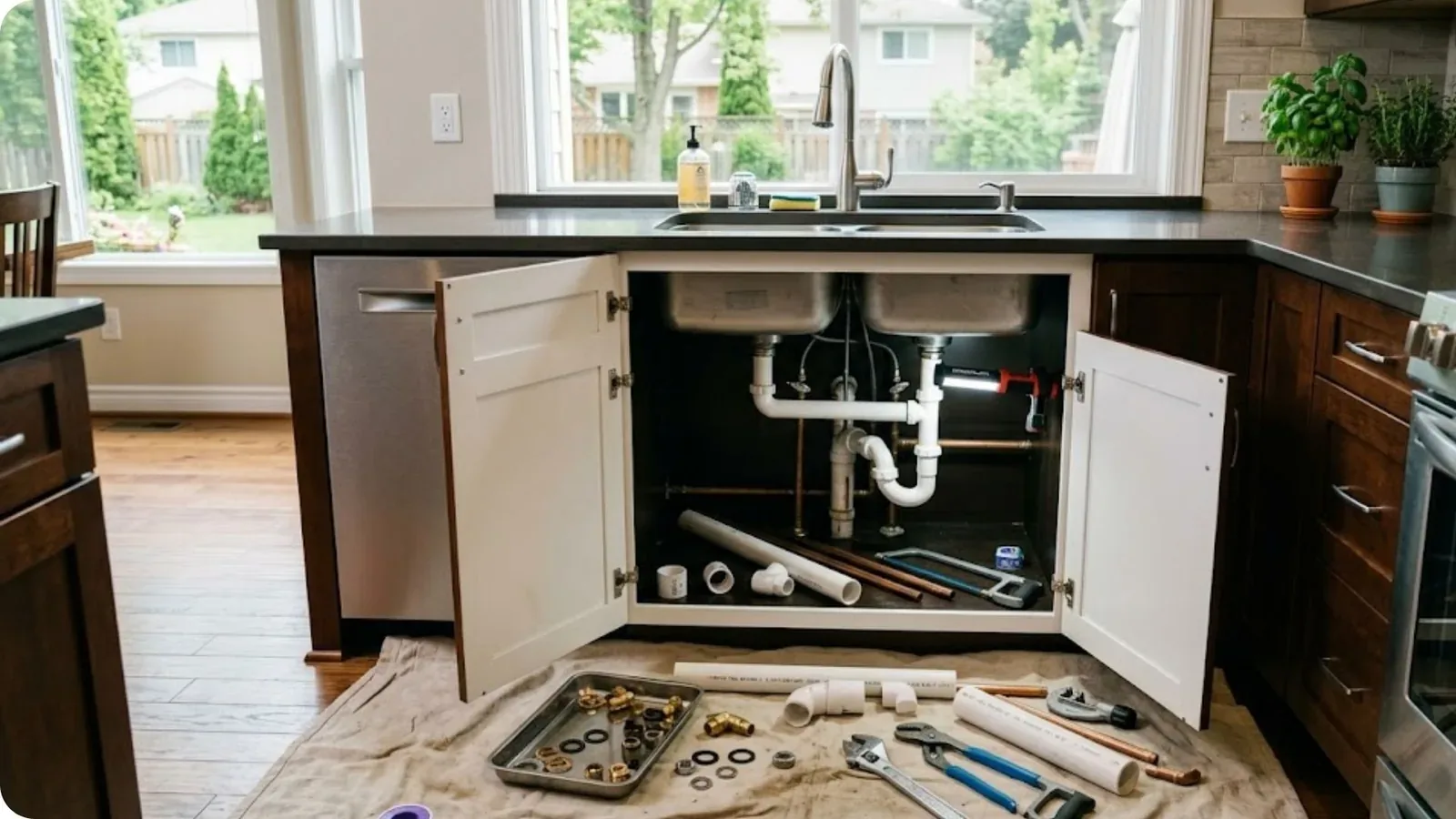
A disposal that hums, jams or leaks?
Tell the dispatcher what it does and how old it is. The plumber confirms repair or replacement before opening the cabinet.
Call (303) 567-7524